
To fund your automated algorithmic systems and secure your primary digital collateral safely, utilizing a structured Bitget Deposit Guide is the single most critical operational step in 2026. The cryptocurrency derivatives market operates with continuous, high-speed transactional velocity, meaning that any minor mistake during the blockchain funding process can result in permanent asset loss.
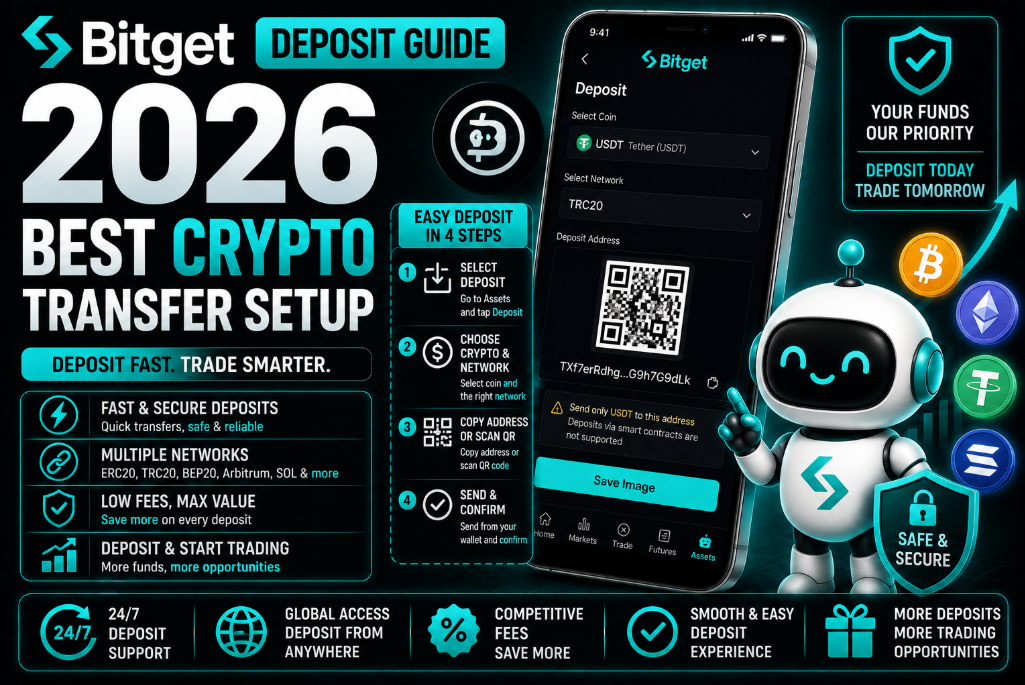
For global retail day traders migrating from alternative external protocols, mastering the structural mechanics of cross-chain infrastructure is a fundamental requirement. Bitget has established a highly optimized, ultra-secure backend gateway designed to process zero-latency ledger updates smoothly. In this highly technical Bitget Deposit Guide, we will carefully walk through the exact parameters of locating your specialized wallet destinations and verifying network selections to guarantee your capital arrives without a single operational error.
🎁 Verified Capital Edge: Ready to initialize your capital funding sequence under fully protected partner networks? Register your master account through our official [Bitget Registration Link] right now to instantly claim permanent 50% transaction fee deductions and secure exclusive welcome reward milestones up to $6,200!
Network Selection: Preventing Catastrophic Cross-Chain Failures
Before copying any string of alphanumeric characters from your dashboard, this operational Bitget Deposit Guide emphasizes the absolute necessity of matching blockchain networks between your originating wallet and your destination profile.
Choosing the wrong network is the leading reason why retail crypto speculators permanently lose their digital assets during cross-exchange transfers.
📊 Industry-Standard Ledger Options Dissected:
- TRC-20 (Tron Network): The absolute preferred channel for stablecoin (USDT) transfers. It offers lightning-fast execution speeds—usually settling under 2 minutes—combined with an incredibly low flat network transaction fee.
- ERC-20 (Ethereum Network): Extremely secure and universally supported, but subject to aggressive, volatile gas fee spikes during periods of high macroscopic market congestion.
- BSC / BEP-20 (BNB Smart Chain): A high-velocity, low-cost alternative framework ideal for micro-capital adjustments across major blue-chip asset pairings.
Step 1: Locating Your Unique Alphanumeric Wallet Destination
To safely retrieve your back-end funding address layout without getting confused by the comprehensive platform interface, enforce this precise directional route:
- Account Authorization: Access your trading profile securely under verified partner nodes by logging in via our official [Bitget Registration Link].
- Open Gateway: On the main application desktop header, locate the asset matrix ribbon and click cleanly on [Deposit].
- Isolate Crypto Asset: Choose your targeted transfer coin (such as USDT) from the drop-down selector and immediately select your designated network channel (e.g., TRC-20).
Step 2: Executing the Verification and Safe Copy Protocols
Once your technical parameters are correctly populated on the screen, this master Bitget Deposit Guide highly advises utilizing native systemic copy shortcuts rather than attempting manual text highlight selection.
- The Zero-Error Shortcut: Always click the dedicated [Copy Address] interactive clipboard icon on your screen. This completely eliminates the threat of missing a single leading or trailing digit, which would destroy the transactional route.
- The Memo Requirement Warning: If you are moving specific assets like XRP or EOS, you must copy both the master wallet address AND the unique numerical Tag/Memo. Failing to paste the Memo block will cause the exchange ledger to permanently reject your transfer.
Step 3: Performing the Strategic Test-Amount Protocol
The definitive risk management rule reinforced across this comprehensive Bitget Deposit Guide is avoiding bulk capital deployment during your very first infrastructure test.
⚠️ The Golden Security Wall: Always run a microscopic Test Deposit (e.g., $10 worth of stablecoins) before transferring your entire master trading capital.
By executing a low-value transaction first, you can safely confirm that the blockchain route is open, the networks are perfectly synced, and the exchange has credited your balance correctly. Once the test stablecoins arrive safely in your spot asset dashboard, you can deploy your remaining core portfolio size with absolute peace of mind.
Conclusion: Link Your Funded Margin to High-Value Fee Rebates
Securing a flawless funding pipeline is the foundational milestone required to transform your digital asset network into a high-frequency passive generator. As we conclude this fundamental Bitget Deposit Guide, always remember that protecting your funded assets from administrative drag requires an active fee-optimization framework.
To ensure your newly transferred funding capital is fully insulated from excessive exchange transaction overhead, make sure to read our institutional guide on [How to Use Bitget Referral Codes] to instantly activate maximum structural partner fee kickbacks on every automated loop you trigger!