
In the highly competitive world of cryptocurrency derivatives trading, your net success isn’t just determined by your market predictions, but by how effectively you manage your overhead costs. Specifically, Bitget Trading Fees can quickly become your biggest hidden expense, especially for active day traders utilizing high leverage. Every time you enter and exit a position, a small percentage of your total position value is deducted, which can significantly erode your capital over time.
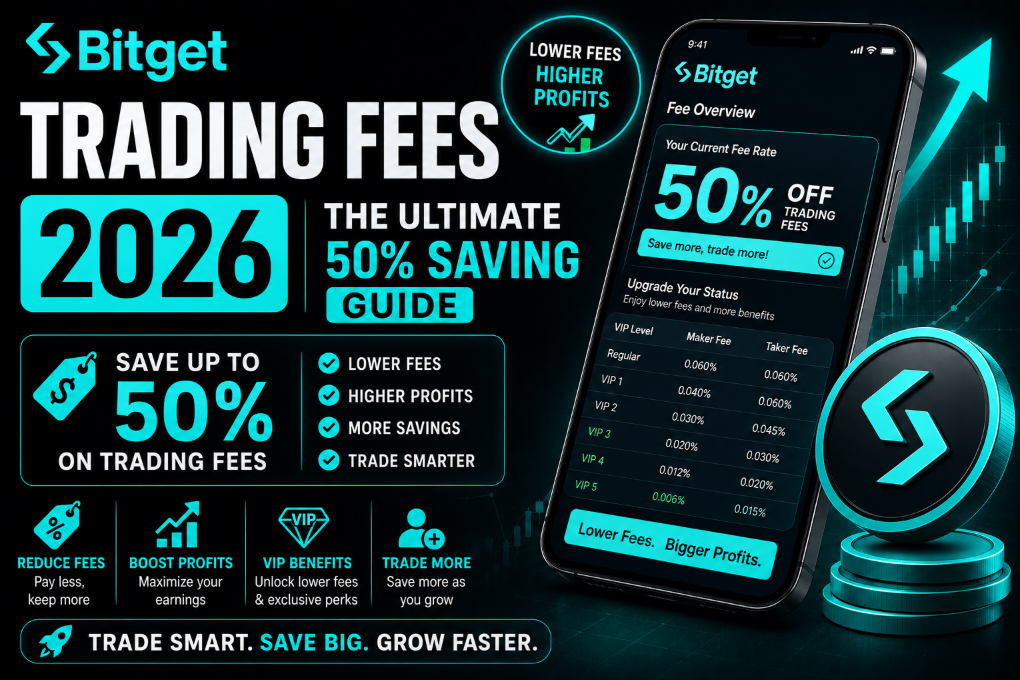
In this comprehensive Bitget Trading Fees reduction guide, we will reveal the most effective strategies for 2026 to slash your transaction costs by up to 50%, ensuring you keep more of your hard-earned profits.
🎁 Instant Savings Alert: Why pay full price for your trades? Sign up today through our official [Bitget Registration Link] to instantly activate an exclusive fee discount and claim a massive welcome bonus of up to $6,200!
Understanding the Bitget Fee Model: Makers vs. Takers
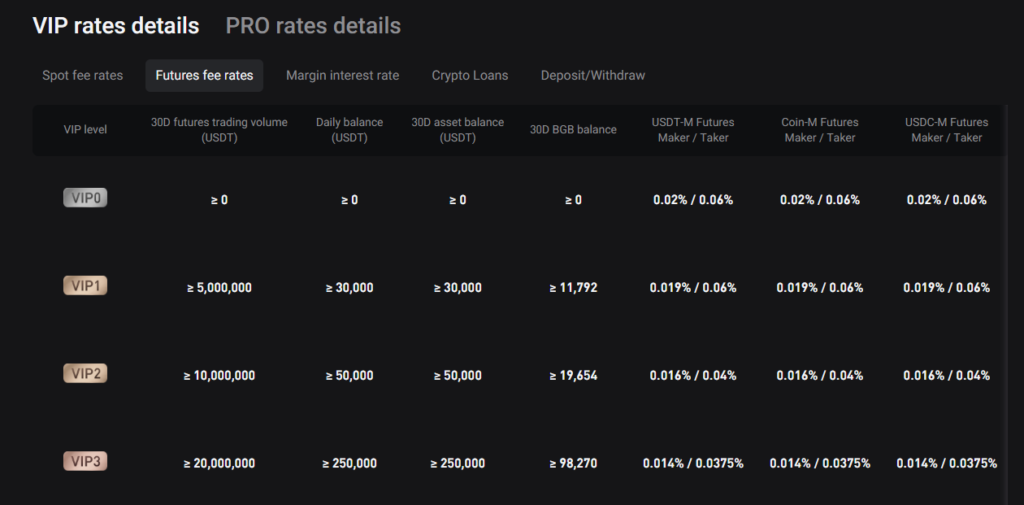
To master your Bitget Trading Fees, you must first understand how the exchange differentiates between order types. The cost of your trade depends heavily on how you interact with the order book.
1. Maker Fees (Providing Market Liquidity)
A Maker order is a limit order that is not filled immediately. Instead, it sits on the order book, providing “liquidity” for others to trade against. Because Makers help stabilize the market, Bitget rewards them with a significantly lower fee rate than Takers.
2. Taker Fees (Consuming Market Liquidity)
A Taker order executes instantly at the current market price (Market Order). By taking liquidity away from the book for the sake of speed and convenience, you are charged a higher Taker fee. If you are not careful, consistent Taker orders can significantly impact your long-term ROI.
3 Secret Tips to Slash Your Bitget Trading Fees by 50%
If you want to reach the maximum 50% savings milestone, you need to combine several different strategies simultaneously. Here is the blueprint.
Tip 1: Use a Premium Partner Referral Link (20% Off)
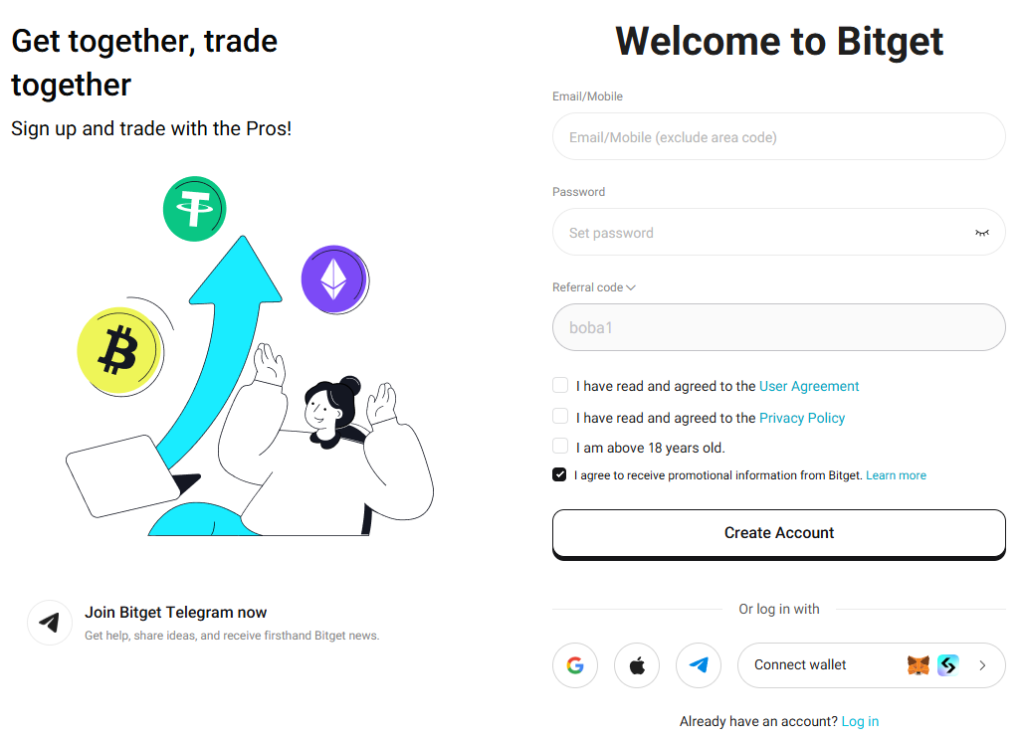
The most immediate way to drop your Bitget Trading Fees is to ensure your account is registered under a high-tier affiliate. By using our verified [Bitget Registration Link], you bypass the standard retail fee rates and get an automatic discount applied to every single trade you make. This is a “set it and forget it” strategy that works 24/7.
Tip 2: Pay Fees with BGB (The Bitget Token Advantage)
One of the most effective “secret” ways to lower costs is to hold BGB, Bitget’s native utility token. By navigating to your account settings and enabling “Pay fees with BGB,” you can unlock an additional 20% discount on your spot trading fees. While the direct futures discount varies, holding BGB also grants you access to VIP levels faster.
Tip 3: Master the “Limit-Only” Execution
As emphasized throughout this Bitget Trading Fees guide, you should avoid the “Market Buy” button whenever possible. Professional traders use Limit orders to ensure they always pay the Maker fee rate. Over the course of 100 leveraged trades, the difference between Taker and Maker fees can be the difference between a profitable month and a losing one.
Calculating Your Real Costs: The Leverage Trap
A common mistake highlighted in this Bitget Trading Fees tutorial is forgetting that fees are calculated on the total Position Value, not just your initial margin.
🧮 The Fee Formula: (Margin × Leverage) × Fee Rate = Your Total Cost
If you have $500 in margin and use 20x leverage, you are paying fees on a $10,000 position. If you enter and exit that trade as a Taker, you could be losing 10-15% of your $500 margin just in transaction costs! This is why implementing the 50% saving strategy is mandatory for anyone using leverage.
Bitget Withdrawal Fees: Don’t Lose Profits at the Exit
In addition to Bitget Trading Fees, you must also be strategic about how you move your profits off the exchange. Different blockchain networks have vastly different costs.
- ERC-20 (Ethereum): Often very expensive due to high network congestion.
- TRC-20 (TRON) & BEP-20 (BSC): Usually the cheapest options for USDT, often costing less than $1 to $2 per transfer. Always double-check your destination address and network compatibility.
Conclusion: Trading Smarter, Not Harder
Becoming a profitable trader in 2026 requires more than just a good chart setup; it requires the financial discipline to minimize your Bitget Trading Fees. By using a premium discount link, mastering maker orders, and utilizing BGB for additional perks, you can effectively cut your overhead in half.
If you haven’t yet transferred your initial capital to start trading, be sure to check out our step-by-step [Crypto Deposit Guide] to ensure your first deposit arrives safely and quickly!
2 thoughts on “Bitget Trading Fees 2026: The Ultimate 50% Saving Guide”