
If you are looking to maximize your trading potential and capitalize on short-term market movements in the digital asset space, mastering crypto leverage is a non-negotiable skill.
This comprehensive Binance Futures Trading Guide is carefully designed to take you from a complete beginner to a highly confident derivatives trader in 2026. Binance stands as the undisputed global leader in terms of market volume, providing users with unparalleled liquidity, institutional-grade security infrastructure, and lightning-fast trade execution.
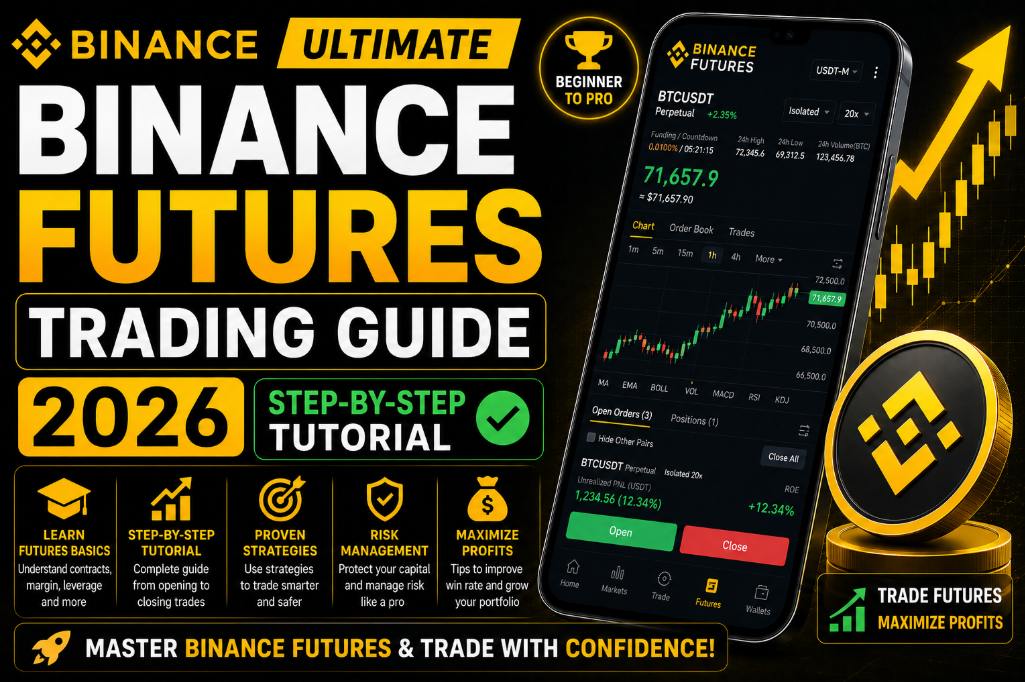
In this step-by-step Binance Futures Trading Guide, we will thoroughly break down how the platform’s futures interface operates, how to utilize leverage settings intelligently, and how to execute your very first long or short position without committing costly mistakes.
🎁 VIP Trader Offer: Want to trade with a massive structural advantage? Sign up through our official [Binance Registration Link] right now to instantly unlock a 20% lifetime fee discount kickback and claim exclusive welcome bonuses up to $600!
The Core Foundation: Cross Margin vs. Isolated Margin
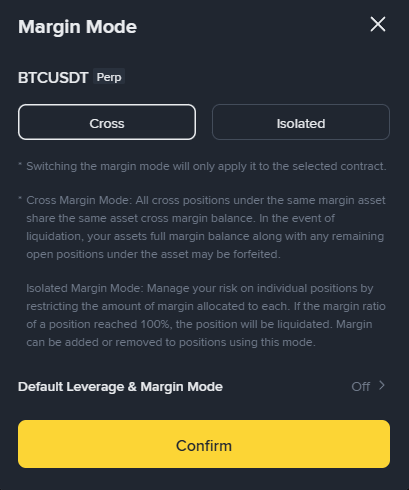
Before you risk a single dollar of your capital on the live order book, this Binance Futures Trading Guide strongly emphasizes the absolute necessity of selecting the correct margin mode. Choosing the wrong setting can expose your entire account to unnecessary risk.
1. Cross Margin Mode
In Cross Margin mode, the system utilizes the entire available balance within your USDⓈ-M Futures wallet to prevent a position from facing liquidation. While this allows your trade more breathing room during wild price swings, a massive unexpected market flush against your direction can completely wipe out your entire wallet balance.
2. Isolated Margin Mode
In Isolated Margin mode, your maximum financial risk is strictly limited to the precise amount of margin allocated specifically to that single trade. If the market triggers your liquidation price, you only lose the initial margin assigned to that open position, keeping your remaining account balance completely untouched. For all beginners, we highly recommend utilizing Isolated Margin exclusively to start.
Step 1: Transferring Capital and Navigating the Dashboard
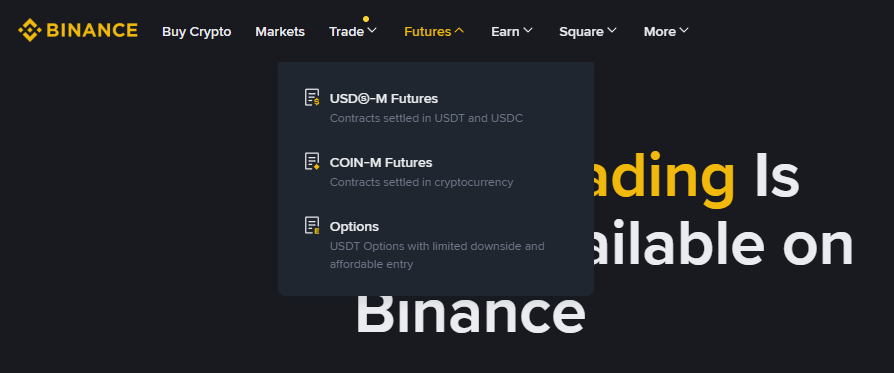
Getting started with leverage trading on the world’s largest exchange is highly intuitive if you follow these sequential steps:
- Account Access: Log in to the exchange using our verified [Binance Registration Link] to ensure your 20% permanent fee kickback is fully active.
- Asset Transfer: Navigate to your primary wallet and transfer your USDT stablecoins from the “Spot Wallet” over to your “USDⓈ-M Futures Wallet”.
- Enter Trading UI: Hover over the top primary navigation bar, click on [Derivatives], and select [USDⓈ-M Perpetuals]. Then, pick your preferred trading pair (e.g., BTCUSDT).
Step 2: Configuring Leverage and Choosing Order Types
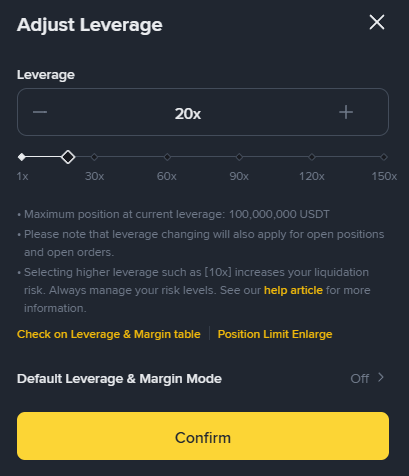
Leverage is a double-edged sword that acts as a powerful multiplier; it amplifies your financial gains just as quickly as it multiplies your losses.
Critical Execution Settings:
- Adjust Leverage Multiplier: Modify your risk scale via the control panel on the top right side of the trading screen. We explicitly advise retail beginners to maintain a conservative leverage ratio between 2x and 5x during their initial learning phase.
- Limit Orders: Enter a specific, precise target price where you want your contract to execute. Utilizing limit orders allows you to act as a maker, significantly reducing your transaction drag.
- Market Orders: This execution type triggers immediately at the absolute best available current market price. Use this only during scenarios where you must enter or exit a highly volatile trade instantly.
Step 3: Placing Your First Long or Short Position
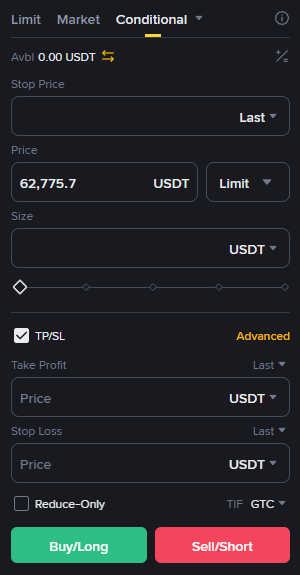
One of the greatest competitive advantages highlighted throughout this Binance Futures Trading Guide is the unique ability to generate profits regardless of whether the broader crypto market is moving up or down.
- Buy / Long Position: Open a Long position if your technical analysis suggests the cryptocurrency price is poised to rise.
- Sell / Short Position: Open a Short position if your analysis indicates the cryptocurrency price is preparing to drop.
⚠️ Inviolable Risk Control Rule: Never open a live position without configuring your Take Profit (TP) and Stop Loss (SL) parameters. Setting these levels automates your exit plan and guarantees you will not face catastrophic liquidations while you are away from your screen or sleeping.
Conclusion: Trade Smarter by Reducing Your Overhead
Sustaining long-term profitability in crypto derivatives requires immense psychological discipline and patient risk calibration. As we conclude this Binance Futures Trading Guide, remember that capital preservation is always the number one metric of a professional trader.
To maximize your net trading revenue, you must also minimize your operational transaction costs. Be sure to read our ultimate guide on [How to Reduce Binance Trading Fees] to learn how to combine our exclusive partner discount links with BNB tokens to slash your transaction costs by up to 50%!
1 thought on “Binance Futures Trading Guide 2026: How to Trade Safely”